How to Plan a Self-Guided Walking Tour in Any City
Exploring a new city on foot is one of the most rewarding ways to travel. You move at your own pace, notice details you would miss from a bus or taxi, and can stop whenever something catches your eye. But without some planning, a walking tour can quickly turn into aimless wandering or exhaustion from backtracking. The key is a well-thought-out plan that balances landmarks, rest stops, and flexibility.
Why a Good Plan Matters
A structured yet flexible route saves time and energy. Instead of constantly checking a map or phone, you can relax and take in the surroundings. A solid plan also helps you avoid missing must-see spots because you wandered off course. At the same time, leaving room for spontaneous discoveries keeps the experience fresh. The trick is to map a logical path that groups nearby attractions, then allow yourself to deviate when something interesting appears.
Many travelers now use self-guided audio tours to bring structure to their walks. These tours combine audio narration with a pre-planned route, often enriched with offline stories about the city's history and culture. Because the content is fact-checked, you learn accurate details without needing a live guide. Flexible routes let you linger at a viewpoint or skip a crowded square, all while the audio keeps you oriented. This approach turns a simple walk into a layered experience.
Start with a City Walking Itinerary
The foundation of any great walking tour is a city walking itinerary. This is simply a list of stops in a logical order, with estimated walking times between them. You can create one yourself using a map app, or you can rely on a pre-made itinerary from a trusted source. A good itinerary groups attractions by neighborhood, so you are not crisscrossing the city. It also accounts for opening hours, especially for museums or churches that close for lunch. And it builds in time for breaks: a bench in a park, a cafe for coffee, or just a quiet street to sit and people-watch.
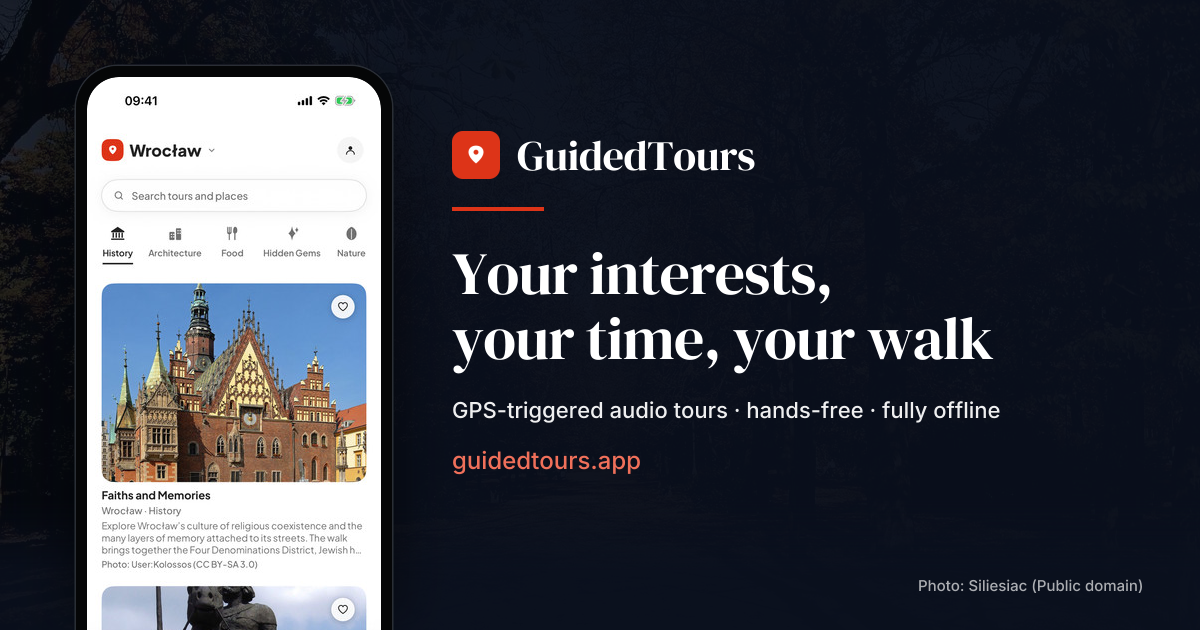
When you use a pre-made itinerary from an app like Guided Tours, you get the benefit of local knowledge without the effort of research. The routes are designed by people who know the city well, so they avoid dead ends and highlight hidden gems. The offline stories that accompany each stop add context, turning a simple stroll into a mini history lesson. Because the information is fact-checked, you can trust what you hear.

What to Look for in a Walking Tour App
If you decide to use an app, consider a few features. First, offline capability is crucial. You do not want to rely on mobile data when you are in a subway tunnel or a narrow alley. Second, look for route customization. A good app lets you shorten or extend a tour based on your energy and interests. Third, check the quality of the audio narration. Clear, well-paced narration makes a big difference, especially if you are walking in a noisy street. Finally, make sure the app covers the cities you plan to visit. Some apps focus on major capitals, while others include smaller towns.
Building Your Own Itinerary
Creating your own city walking itinerary gives you total control. Start by listing the landmarks you want to see. Then group them by area using a map. Aim for a route that forms a loop or a straight line, so you are not retracing steps. Estimate walking times generously: a mile in a city often takes twenty minutes, but crowds, hills, and photo stops add time. Plan a lunch stop in a neighborhood with good food options, and include a few backup spots in case a place is closed or too crowded.
One common mistake is trying to see too much. A walking tour that covers three miles and ten stops might sound efficient, but after two hours your feet will ache and your attention will fade. Aim for a relaxed pace: one to two miles with four to six stops, allowing an hour for each mile. This leaves room for detours and rest. If you finish early, you can always add an extra stop or explore a side street.
Using Audio Narration Effectively
Audio tours work best when you treat them as a companion, not a script. Pause the audio when you want silence, or skip ahead if a story does not interest you. Many apps let you replay a segment, which is useful if traffic drowns out a key detail. The offline stories feature is especially handy for maintaining context even when you wander off the suggested path. You can still hear about the history of a building you just discovered, because the app knows your location.
Another tip is to use audio tours as a way to learn about a city before you arrive. Listen to a few stories while planning your trip. This builds anticipation and helps you decide which neighborhoods to prioritize. Once you are there, the audio serves as a gentle guide, not a strict schedule.
Balancing Structure and Spontaneity
A common fear is that a pre-planned route will feel rigid. In practice, a good plan is a framework, not a cage. You can skip a stop, take a detour down a market street, or sit in a plaza for an extra half hour. The audio tour will still be there when you are ready. The key is to trust your instincts. If a side street looks inviting, explore it. The best travel moments often come from unexpected discoveries.
At the same time, having a plan prevents the frustration of realizing you missed a famous landmark because you got lost or ran out of time. A city walking itinerary provides a safety net. You know where you are going, but you are free to wander within that frame. This balance is what makes self-guided tours so appealing: you get the structure of a guided tour without the group schedule.
Practical Tips for a Smooth Walk
- Wear comfortable shoes. You will walk more than you think, and blisters can ruin a day.
- Carry a reusable water bottle and snacks. Staying hydrated and fed keeps your energy up.
- Check the weather before you go. A sunny forecast can turn into rain, so pack a light jacket or umbrella.
- Keep your phone charged. If you rely on an app for audio and maps, a power bank is a good idea.
- Start early. Mornings are quieter, and you beat the crowds at popular spots.
Making the Most of Fact-Checked Information
One advantage of using a reputable app is the reliability of its content. When you hear a story about a cathedral or a market square, you can trust that the details are accurate. This matters because many online sources contain errors or outdated facts. Apps that prioritize fact-checked information save you from repeating myths or missing real history. They also tend to update their content as cities change, so the route reflects current conditions.
For example, a walking tour of Rome might include a stop at the Trevi Fountain with a story about its construction and the legend of throwing coins. A good audio tour will also note that the fountain is under renovation occasionally, and suggest an alternative viewpoint. This kind of practical detail comes from ongoing research, not from a static guidebook.

Bringing It All Together
A successful walking tour depends on preparation, but not over-preparation. You want a clear idea of where you are going and what you will see, while still leaving room for the unexpected. Whether you use a pre-made audio tour or craft your own route, the same principles apply: group nearby attractions, allow plenty of time, and stay flexible. The best walks feel effortless, even though they required some thought beforehand.
By thinking of your walk as a city walking itinerary, you give yourself a solid foundation. You can focus on the experience rather than the logistics. And with the help of offline stories and audio narration, you gain a deeper connection to the places you visit. Next time you travel, try planning a self-guided walking tour. You might find that it changes the way you see a city.